
Designed to define the space·
Archival inks — vibrant for up to 100 years·
Designed for statement-scale display·
Professionally optimized for large-format printing·
1.25″ gallery profile — ready to hang·
Museum-grade craftsmanship·
Designed to define the space·
Archival inks — vibrant for up to 100 years·
Designed for statement-scale display·
Professionally optimized for large-format printing·
1.25″ gallery profile — ready to hang·
Museum-grade craftsmanship·


new
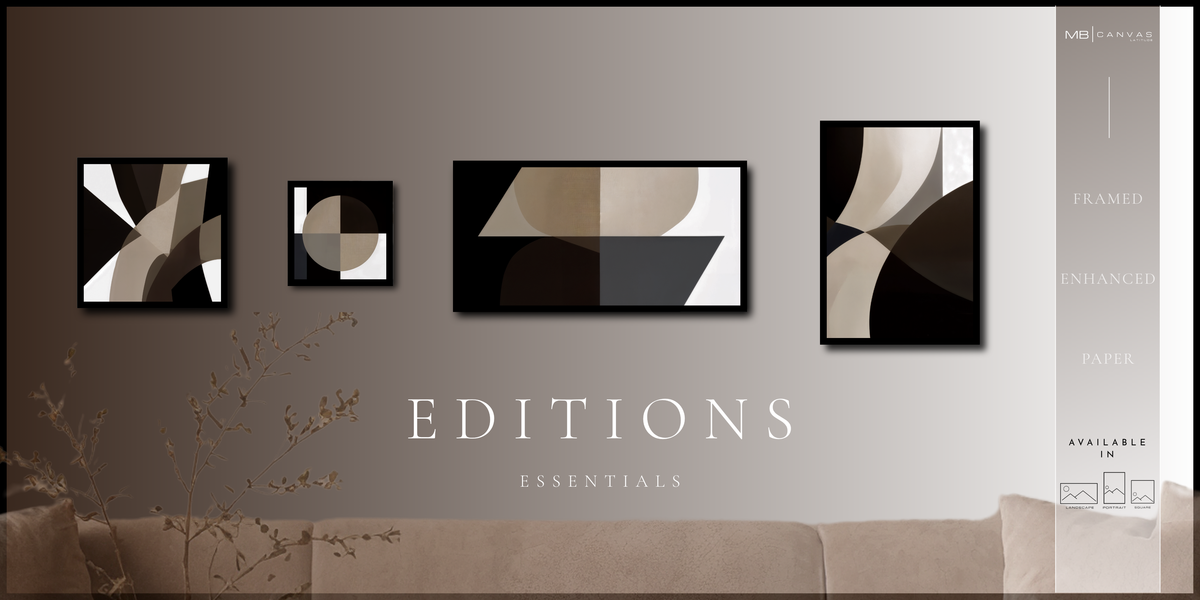
Editions
CURATED. FRAMED. TIMELESS.
Museum-quality framed prints, thoughtfully scaled for intimate spaces. Curated collections and display systems extend each artwork beyond a single frame.

curated
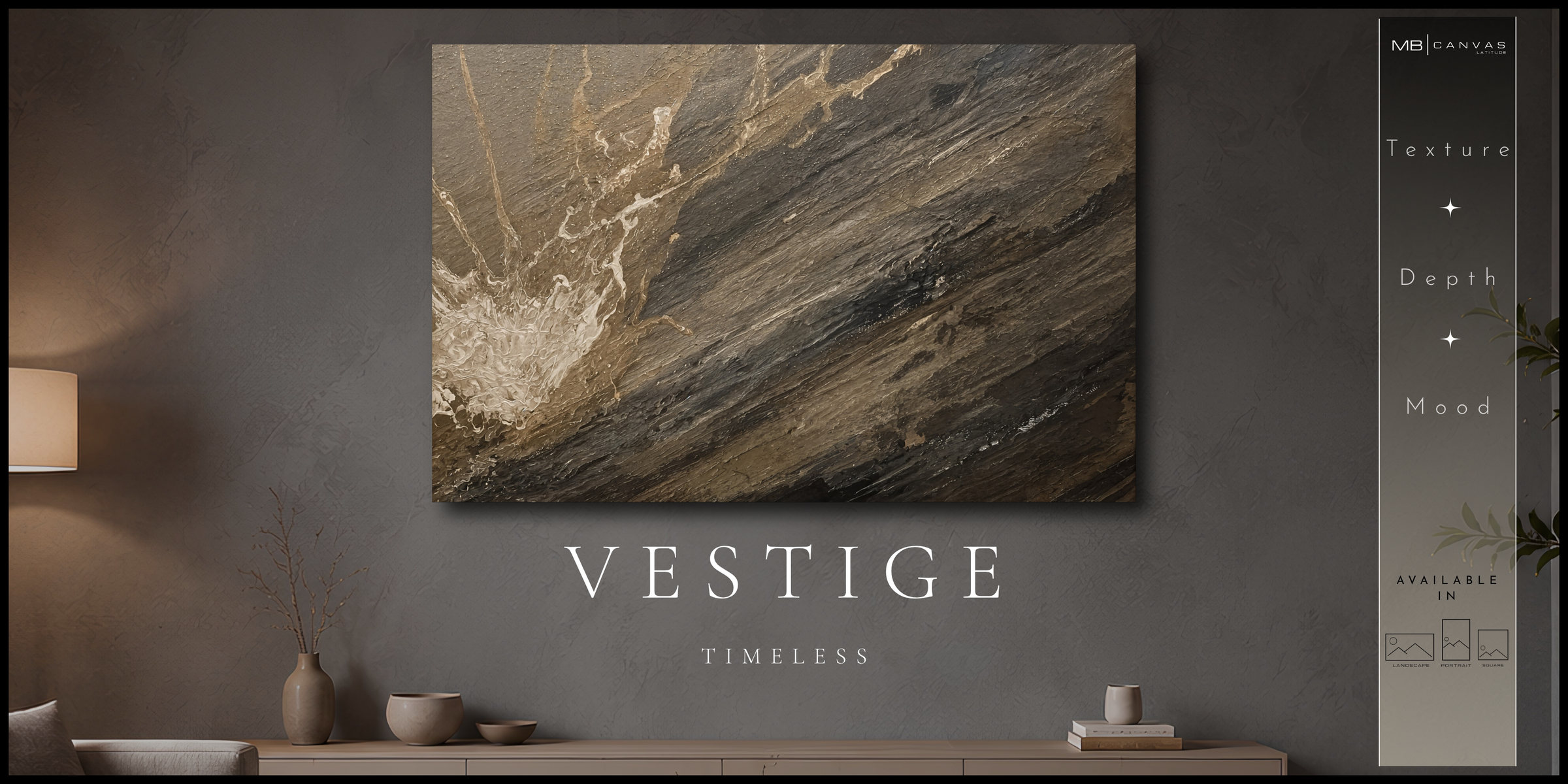
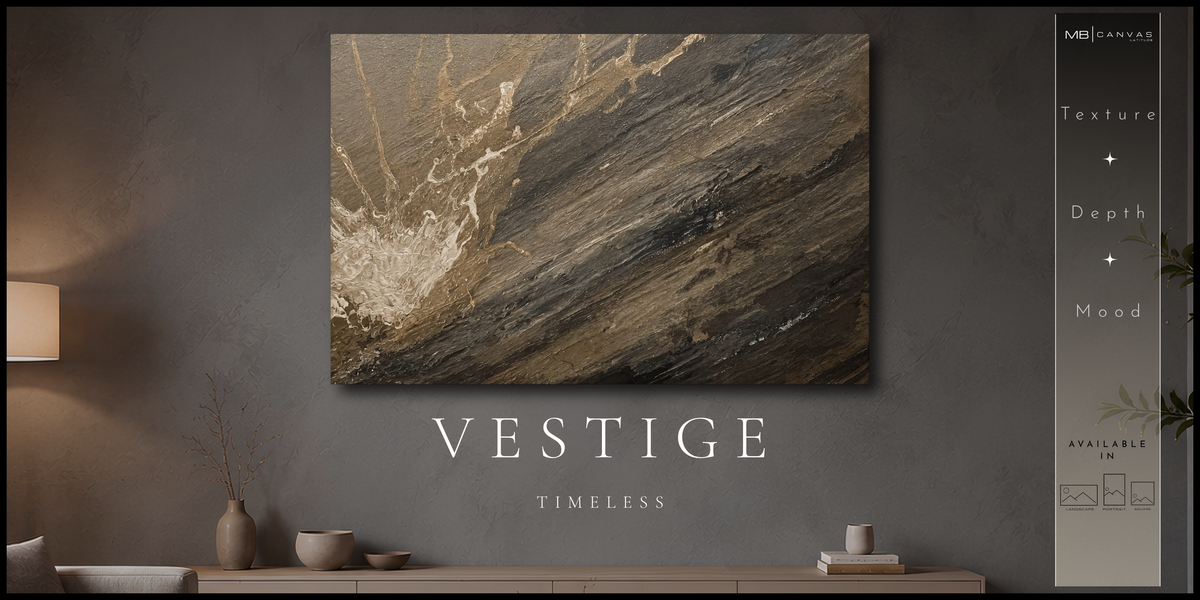
Vestige
Aged. Textured. Weathered.
For spaces that benefit from patina, depth, and a grounded presence. Weathered textures and mineral tones inspired by stone, plaster, and natural erosion. Depth, restraint, and material presence over decoration — artwork that rewards longer viewing as light changes. Grounded, timeless, architectural.

featured
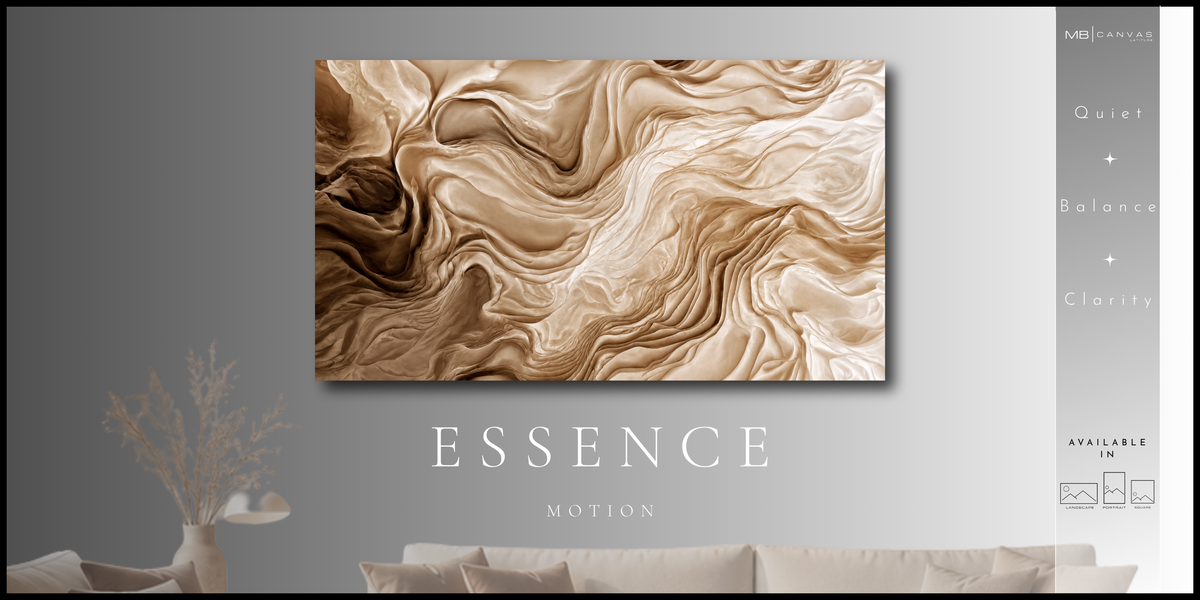
Essence
Fluid. Atmospheric. Expressive.
For spaces that embrace movement, softness, and expressive abstraction. Fluid. Flowing. Alive. Swirling pigments, layered depth, and seamless color transitions that make every canvas feel like it's still shifting on your wall. Each piece a study in controlled flow.

signature
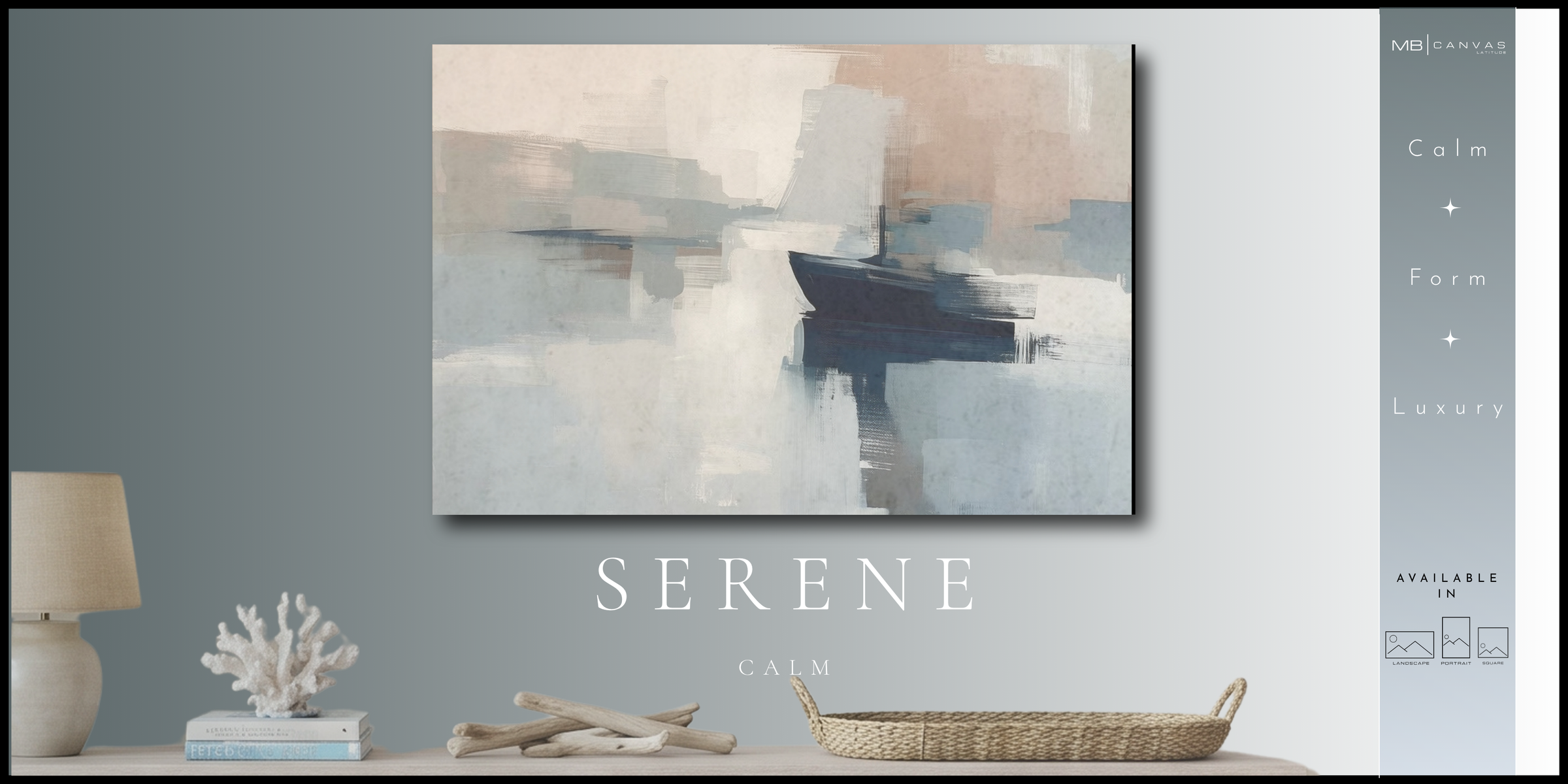
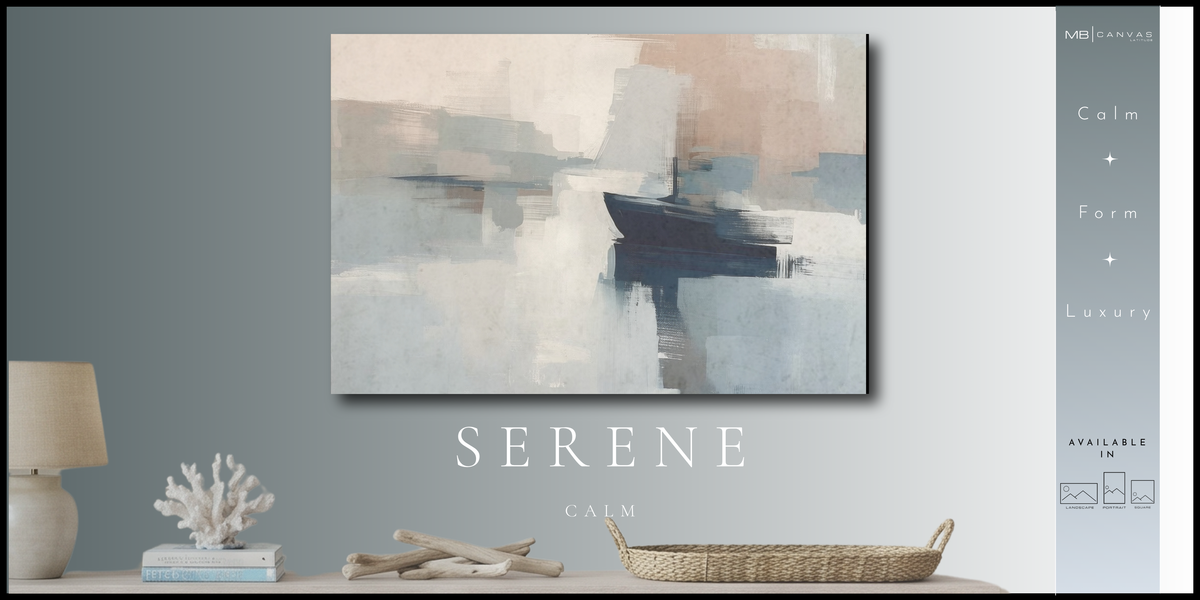
Serene
Calm. Soft. Restrained.
For bedrooms, quiet spaces, and interiors where the artwork should settle the room. Light surrenders here. Works of quiet intensity where shapes dissolve into atmosphere and silence becomes texture. For walls that hold their secrets well.

editorial
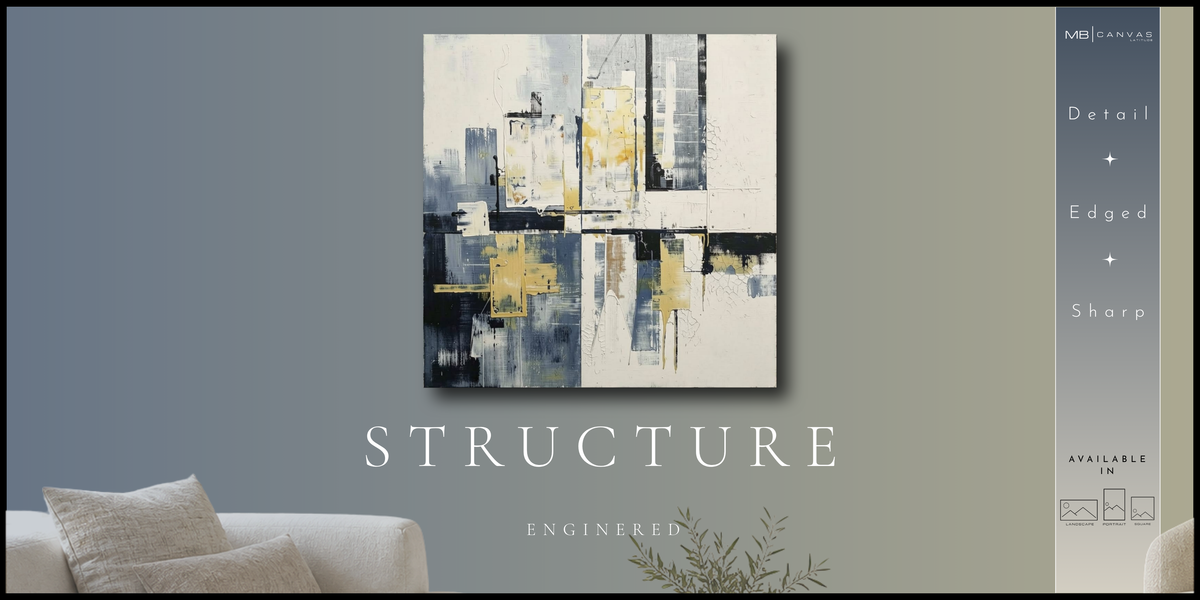
Structure
Architectural. Linear. Composed.
Form with intention. Geometry as language. Architectural abstracts built for spaces that value clarity over noise — every angle deliberate, every composition earned.

collection
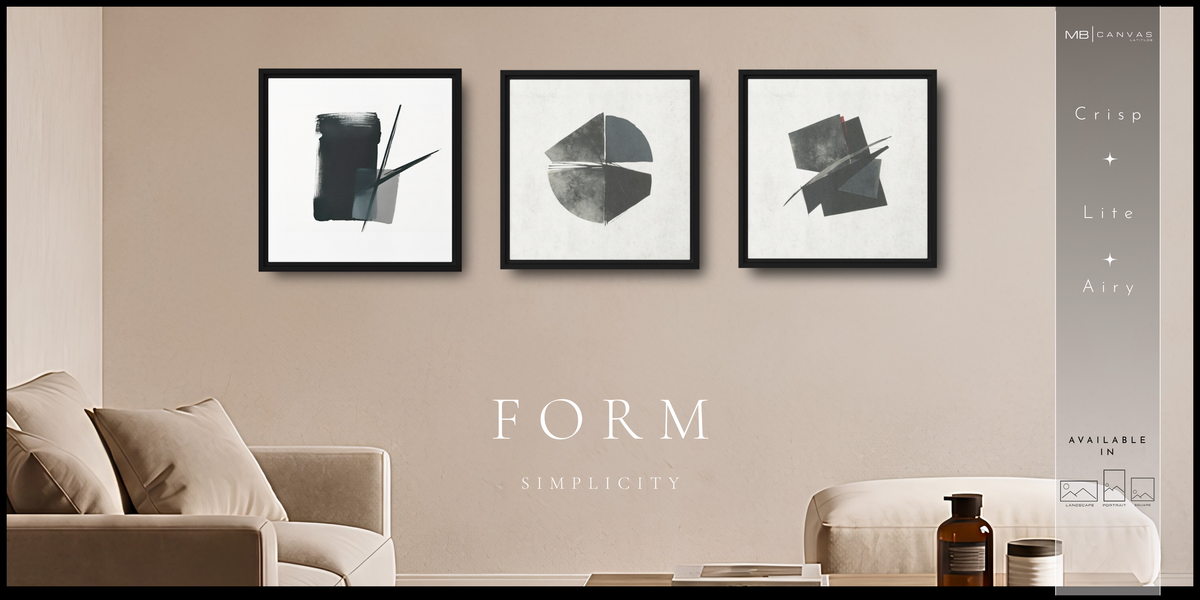
Form
Minimal. Shape. Balanced.
Form with intention. Geometry as language. Architectural abstracts built for spaces that value clarity over noise — every angle deliberate, every composition earned.




 MB | ASSIST
Your questions, answered. MB Assist brings AI guidance to every page of the store.
EDITORS COLLECTION
Not everything makes the cut. The Editor's Collection — works selected for staying power, not trend.
MB | INSIGHT
Go deeper. Audio and text explorations of the work, the process, and the eye behind it.
GIFT CARDS
The gift of curation. Let them choose what moves them.
ENROLL
Collect more for less. Exclusive offers and early access — all year.
MB | ASSIST
Your questions, answered. MB Assist brings AI guidance to every page of the store.
EDITORS COLLECTION
Not everything makes the cut. The Editor's Collection — works selected for staying power, not trend.
MB | INSIGHT
Go deeper. Audio and text explorations of the work, the process, and the eye behind it.
GIFT CARDS
The gift of curation. Let them choose what moves them.
ENROLL
Collect more for less. Exclusive offers and early access — all year.


"Every artist dips his brush in his own soul."
"Art is not what you see, but what you make others see."
"The purpose of art is washing the dust of daily life off our souls."
"I found I could say things with color that I couldn't say any other way."
"Creativity takes courage."
"Art enables us to find ourselves and lose ourselves at the same time."
"To create one's own world takes courage."
"The job of the artist is always to deepen the mystery."
"Color is a power which directly influences the soul."
"I am not an abstractionist. I am not interested in the relationship of color or form. I am interested only in expressing basic human emotions."
What Our Customers Say
Love the quality. I've gotten a ton of compliments so far.
Nice fresh new look for the office! Thanks MB Canvas!
Worth every penny! Thanks!
FREQUENTLY ASKED QUESTIONS
-
A: We stand behind every order. If something arrives damaged or incorrect, contact us and we'll make it right — reprints and replacements are handled promptly.
-
A: Every print uses archival-grade, UV-resistant inks tested to stay vibrant for up to 100 years under normal indoor conditions.
-
A: Contact us with a photo and we'll take care of it. No lengthy process — just reach out and we'll sort it.
-
A: Printed and fulfilled in the US, Canada, and Europe — sourced close to you to minimize transit time.
-
A: Most orders ship within 3–5 business days and arrive within 7–12 business days depending on your location.
-
A: Completely. All transactions run through Shopify's encrypted checkout — your information is never stored or shared.

New Releases
The newest works from MB Canvas.
Explore the latest additions across our collections—from architectural abstractions and material studies to serene compositions and statement pieces. Each release is thoughtfully designed to bring depth, balance, and lasting presence to modern interiors.
Updated regularly as new collections and limited works become available.

